The History of Perth Through Architecture
Perth, the “Fair City,” has a rich architectural story that mirrors its importance in Scottish history. From medieval kirks to Georgian terraces and Victorian grandeur, its landmarks showcase centuries of civic pride and cultural life.
Medieval Roots
The medieval layout still shapes the city centre. St John’s Kirk, dating from the 12th century, is Perth’s most iconic building. With striking Gothic stonework, it played a pivotal role in Scotland’s Reformation and remains the city’s spiritual heart.
Georgian Elegance
In the 18th and early 19th centuries, Perth flourished as a market town. Elegant Georgian townhouses, defined by symmetry and stone façades, appeared. The Fair Maid’s House, Perth’s oldest secular building, was preserved and linked with Sir Walter Scott’s famous novel.
Victorian Confidence
Industry and railways brought civic ambition. Perth Theatre (1900) and City Hall (1914) reflect Victorian and Edwardian style, while villas, banks, and hotels added grandeur. The Fergusson Gallery, once a Victorian water tower, now honours Scottish Colourist J.D. Fergusson.
Modern Renewal
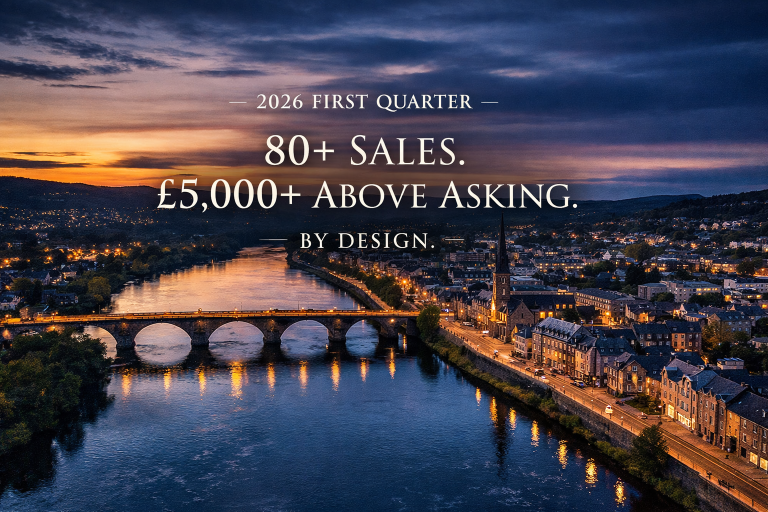
Today, Perth balances heritage and innovation. The Horsecross Arts Centre sits beside historic streets, while bridges across the River Tay, from Smeaton’s Bridge (1771) to modern spans, reflect its enduring role as a crossing point.
Key Landmarks
St John’s Kirk – medieval heart.
Fair Maid’s House – oldest home with literary ties.
Perth Theatre & City Hall – cultural and civic icons.
Fergusson Gallery – art within Victorian utility.
Smeaton’s Bridge – elegant 18th-century engineering.



Perth’s architecture, from Gothic kirks to modern venues, weaves a story of continuity and change, making the city’s built heritage a living chronicle of Scotland’s past.